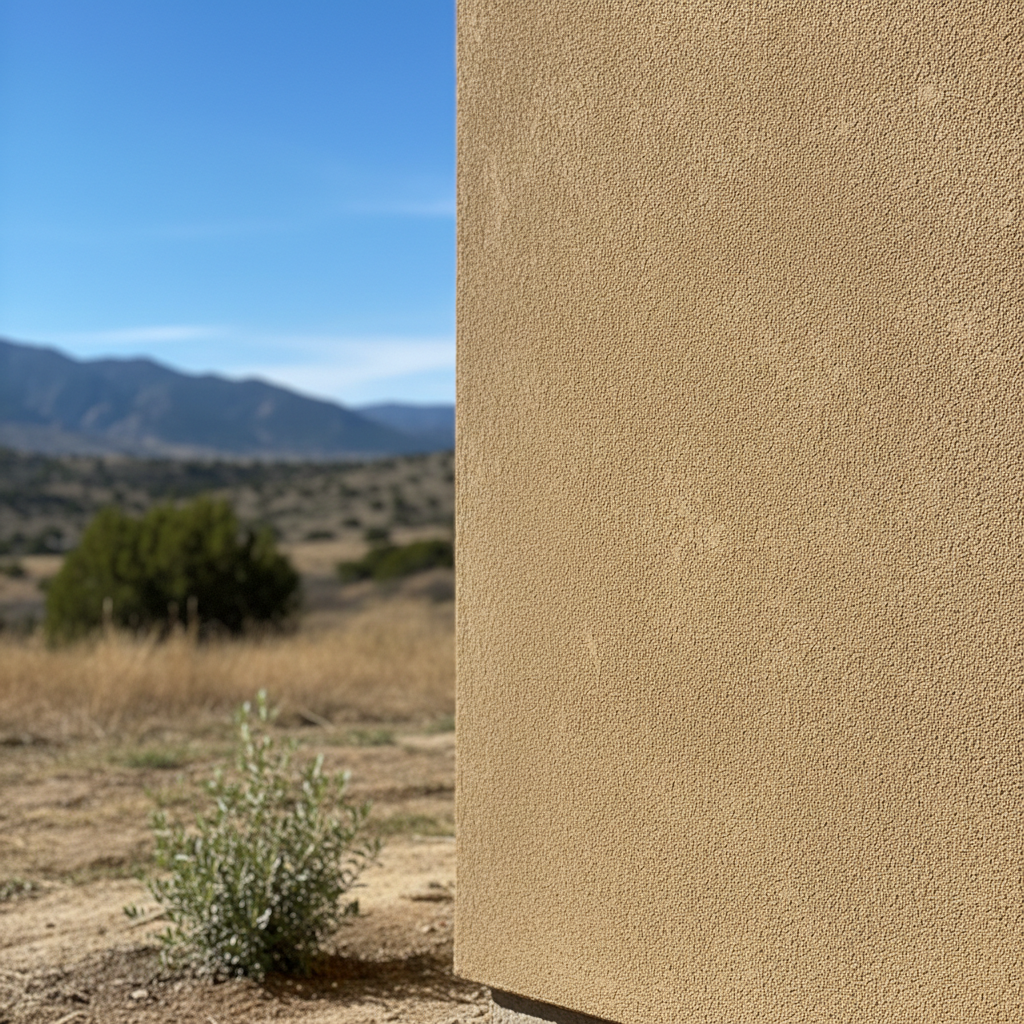
Why does stucco sometimes need full replacement instead of just repairs?
That's a good question, and honestly, we hear it a lot. See, sometimes a small crack or a little patch of damage is just that — a small repair. We can often fix those up with a patch, color match it, and you're all set. But then there are those other times when the damage is just too widespread, or it's really pointing to a deeper, structural problem. Think about it this way: if your driveway has a few potholes, sure, you can patch 'em up. But if the whole thing is crumbling, heaving, and letting water get to your foundation? You're not patching that. You're ripping it out and putting in a new one, right?
The biggest reason for a full replacement typically boils down to water getting where it shouldn't. If water's been sneaking behind the stucco for a long time, it can cause rot in the sheathing, the framing, and even lead to mold. You might start seeing cracks everywhere, or delamination (that's when the stucco pulls away from the wall), or even soft spots. Sometimes, it's just really old stucco that's seen better days, maybe it was even installed poorly to begin with, or it's been patched so many times it looks like a crazy quilt. In those situations, trying to repair it endlessly is just throwing good money away. A full replacement lets us get to the root of the problem, make sure everything's properly waterproofed, and give you a fresh, durable exterior that'll last.
What's the typical timeline for a stucco replacement project?
Alright, so you're looking at a pretty involved process here, and the timeline can really jump around depending on your home's size, how complex its architecture is, and, honestly, the weather. Here in Draper, we definitely get those hot summers and cold winters. That means we're often battling either baking sun or freezing temps, both of which can impact how long materials take to dry. For an average-sized home, let's say 2,000 to 3,000 square feet, you're usually looking at anywhere from three to six weeks from when we start to when we finish. That's a rough estimate, of course.
Here's a quick breakdown of what eats up that time: First, there's all the prep work and tearing off the old stuff, which can take anywhere from a few days to a week. Then we inspect the wall underneath, make any necessary repairs to the sheathing or framing, and install the new weather-resistive barrier. That part is absolutely critical. After that, we apply the scratch coat, then the brown coat, and finally the finish coat. Each of those layers needs proper drying time, which is where the weather really plays a role. You just can't rush it, or you'll end up with problems later on. Finally, there's the cleanup and any necessary trim work or painting around your windows and doors.
Will a stucco replacement improve my home's energy efficiency?
Oh, absolutely. It can make a noticeable difference, believe me. When we're talking about a full stucco replacement, we're not just slapping new material on top of old. We're typically stripping everything right down to the sheathing. This gives us a fantastic chance to really upgrade your home's thermal envelope.
Modern stucco systems, especially those with an integrated insulation board (like an EIFS system or a traditional system with continuous insulation), are designed to cut down on thermal bridging and boost your home's R-value. Even if you go with a traditional hard coat, the new weather-resistive barrier and proper installation will significantly reduce air infiltration compared to an old, cracked, or poorly sealed stucco job. Less air leakage and better insulation mean your furnace won't be working as hard in the winter, and your AC won't struggle as much in the summer. You'll likely see a dip in those utility bills, which is always a good thing, especially with energy costs these days, right?
What kind of mess should I expect during the replacement process?
Let's be real: it's a construction project, so yes, there will be a mess. We're tearing off old material, mixing new stuff, and there's dust, debris, and equipment involved. We do everything we can to contain it, but you should definitely expect some disruption.
We'll lay down tarps to protect your landscaping, cover windows and doors, and set up a specific area for material staging and debris collection. You'll hear noise from demolition, mixing equipment, and just general construction. There will be dust, especially when we're tearing off the old stucco. We clean up the site daily, but you might find a bit of dust settling on things nearby. If you have a prized rose garden right up against the house, we'll take extra precautions, but it's probably a good idea to move any delicate outdoor furniture or decor beforehand. We try to be as tidy as possible, but it's not surgery; it's a demolition and rebuild. Infinite Stucco Solutions always aims to leave your property cleaner than we found it at the end of the job, but during the process, it's going to look like a construction zone.
Can I change the color or texture of my stucco during replacement?
You bet! This is actually one of the big perks of a full replacement. Instead of just patching and trying to match an old, faded color, you get a completely fresh start. Think of it like a blank canvas for your home's exterior.
You can absolutely pick a brand new color for your finish coat. There's a huge range of colors available, from earthy tones that blend with the natural surroundings of the Wasatch Front to brighter, more modern hues. You can also change the texture. Maybe your old stucco was smooth, and you want to go with a sand finish for a little more character, or a worm finish for a distinctive look. This is your chance to really update your home's curb appeal and give it a whole new personality. We'll show you samples and help you pick something you'll love for years to come.
What's the maintenance like for new stucco compared to old stucco?
New stucco, when it's installed correctly with modern materials and proper flashing, is significantly lower maintenance than old, failing stucco. The biggest thing you'll notice is that you won't be dealing with those constant cracks and water intrusion issues that often plague older systems.
For new stucco, your main maintenance tasks are pretty straightforward: Keep it clean. A gentle power wash every few years can help remove dirt, dust, and any mildew that might accumulate, especially on north-facing walls in shadier spots, like some of the older neighborhoods near the mountains. Make sure your gutters are clean and directing water away from the walls. Keep an eye on your landscaping; don't let plants grow directly against the stucco, as that can trap moisture. And periodically, just walk around your house and do a visual inspection. Look for any new cracks or signs of damage. Catching small issues early is always easier and cheaper than letting them become big problems. If you see anything concerning, give us a call. It's built to last, but like anything, a little preventative care goes a long way.