Thinking About Stucco for Your Home?
So, you're looking at stucco for your house, maybe a new build or a renovation. That's a great choice, especially here in Draper where we see all kinds of weather, from scorching summers to those heavy winter snows. Stucco holds up incredibly well when it's done right. But what does "done right" actually mean, and how much of this can you really do yourself?
As a contractor who's been doing this for years with Infinite Stucco Solutions, I've seen it all. Homeowners who think they can just slap some stucco on and call it a day, and others who are smart about knowing their limits. Let's talk about what you need to know before, during, and after a stucco installation project.
Before You Even Think About Mixing
First off, you need a plan. This isn't like painting a wall. Stucco is a multi-layer system, and each layer has to be right for the whole thing to work. What's your goal? Are you repairing a small section, or are you re-stuccoing your entire house? The scope of the project dictates everything.
- Permits: Don't skip this. For any significant exterior work, especially structural changes or large-scale re-siding, you're going to need a permit from Draper City. Trust me, it's easier to get it beforehand than to deal with fines and stop-work orders later.
- Understanding the System: Modern stucco isn't just cement. It's usually a three-coat system: scratch coat, brown coat, and finish coat. Each has a specific job. There are also synthetic stuccos (EIFS) which are a whole different ballgame. You need to know what you're working with.
- Substrate Prep: This is huge. If your existing walls aren't sound, clean, and properly prepped, your new stucco will fail. It'll crack, delaminate, or let water in. This means removing old siding, repairing sheathing, and making sure everything is plumb and square.
- Water Management: This is probably the most critical part, especially with our freeze-thaw cycles here in the valley. Stucco needs proper flashing around windows, doors, and at the foundation. You need a good weather-resistive barrier (WRB) behind it, usually two layers of building paper or a synthetic wrap. This is what keeps water out of your walls. If you mess this up, you're looking at rot and mold down the line.
Can you do the research and permit application yourself? Absolutely. Can you strip old siding and repair some sheathing? Maybe, if you're handy. But when it comes to the WRB and flashing, that's where most DIYers get into trouble. It's precision work that prevents major headaches later.
During the Installation: Where the Rubber Meets the Road
Okay, you've prepped. Now for the actual stucco. This is where the specialized skills come in. Mixing stucco isn't just adding water; it's about consistency, timing, and knowing how different additives affect the mix.
- Lath Installation: You'll need to attach metal lath (chicken wire or expanded metal mesh) over your WRB. This gives the stucco something to grab onto. It needs to be securely fastened, overlapped correctly, and free of kinks. This is doable for a careful DIYer, but it's tedious and has to be perfect.
- Applying the Coats: This is the hardest part for a novice.
- Scratch Coat: Applied directly to the lath, then scratched horizontally to provide a key for the next layer. It needs to be thick enough, but not too thick.
- Brown Coat: Applied over the scratch coat, leveled, and floated smooth. This is your base for the finish. It needs to be flat and consistent.
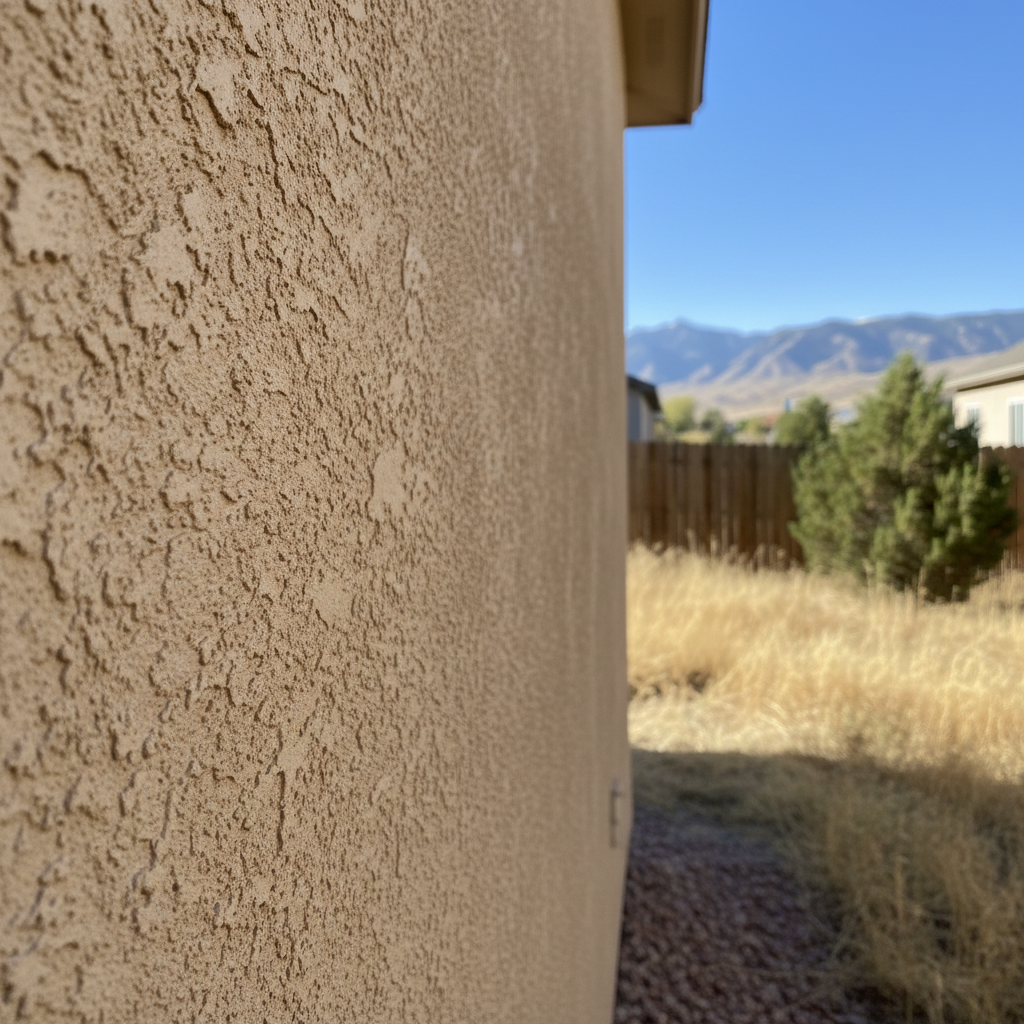
- Finish Coat: This is the visible layer. It's where color and texture come in. This requires a steady hand, experience, and an eye for detail to get a uniform look across your entire wall.
The biggest challenge for a homeowner doing this themselves is consistency. Getting the mix right every time, applying it evenly, and achieving a uniform texture across a large surface is incredibly difficult without experience. You'll often see patchy colors or uneven textures on DIY jobs. Plus, it's physically demanding work, especially on a two-story house common in neighborhoods like Suncrest, where scaffolding and safety become a real concern.
After the Stucco is On: Curing and Care
Once the stucco is applied, your job isn't over. Proper curing is essential for strength and durability. Stucco doesn't just dry; it cures through a chemical reaction with water. This means keeping it moist for several days after application, especially in our dry Utah climate. You might need to mist it with water, or even hang damp tarps over it, depending on the weather.
After it's fully cured, maintenance is relatively low, but not non-existent. Keep an eye out for cracks. Small hairline cracks are normal, but larger ones, or cracks that follow a pattern (like around windows), can indicate bigger problems, often related to improper installation or foundation issues. Keep your gutters clean and make sure water isn't constantly running down your stucco walls. If you see efflorescence (white powdery deposits), that's usually a sign of moisture getting in somewhere.
So, DIY or Pro?
For small, non-structural repairs, like patching a small ding or a hairline crack, a handy homeowner can absolutely tackle it. There are good repair kits out there, and plenty of online tutorials for those specific tasks. Just make sure you match the existing texture and color as best you can.
But for anything beyond a minor repair – a full re-stucco, adding stucco to an addition, or fixing significant damage – you really need to call a professional. The cost of fixing a poorly installed stucco system far outweighs the initial savings of trying to do it yourself. You're talking about potential water damage, mold, structural issues, and then paying someone like us to rip it all off and do it right anyway. It's a complex system that protects your home, and it's worth investing in proper installation. We're always happy to come out and give you an estimate and talk through your options.