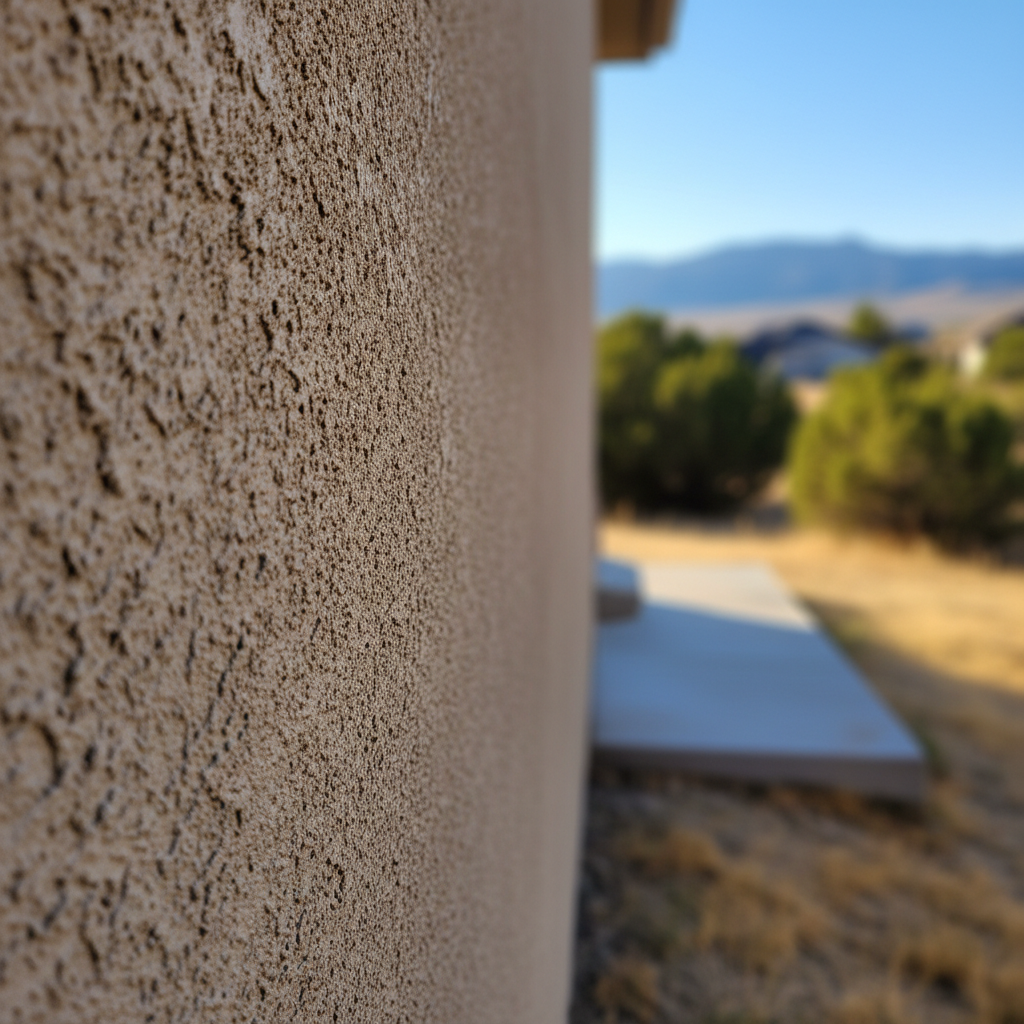
Alright, let's talk about stucco inspections. It's one of those things most homeowners don't really think about until they spot a crack or a weird stain. But honestly, getting ahead of things can save you a huge amount of trouble and money later on. I've worked on stucco homes all over Draper, from the older spots up by the Point of the Mountain to the newer builds in SunCrest, and believe me, I've seen it all. A good inspection — whether you do it yourself or hire a pro — is your first line of defense.
Before You Even Look: What to Know
Before anyone even takes a peek at your stucco, whether that's you or me, you should get a handle on a few basics. First off, what kind of stucco is it? Is it traditional hard coat, or is it EIFS (Exterior Insulation and Finish System)? They might look similar, but they act differently and need different ways of checking them. If you're not sure, dig out your home's original building plans or maybe ask a neighbor who has a similar-looking house built around the same time. Knowing this helps you know what to keep an eye out for.
Next, think about your home's past. Any big leaks? New windows put in? Did you change the landscaping in a way that might have messed with drainage near the foundation? All this background stuff is super helpful. If you call a professional, they'll definitely ask about these things, so it's smart to have the answers ready. It helps us find potential problem spots faster, you know?
Oh, and understand this: a visual inspection, even a professional one, won't always catch everything. Stucco problems, especially water getting in, often hide behind the surface. That's why some inspections use moisture meters or even make small, invasive cuts. Don't be surprised if someone suggests that, especially if there are suspicious signs.
Your DIY Stucco Inspection List
You can totally do a pretty thorough visual check yourself. It's not brain surgery, and it'll give you a good sense of how healthy your stucco is overall. Here's what I tell people to look for:
- Cracks: Not every crack is bad, but you really need to pay attention. Hairline cracks usually just affect how it looks. Bigger cracks, especially ones that run horizontally, zig-zag, or are wider than a credit card, could signal structural problems or water getting in. Look for cracks around windows, doors, and where different materials meet.
- Stains and Discoloration: Dark streaks, particularly under windows, near the roofline, or at the bottom of walls, are a huge red flag for water. Green or black spots? That could be mold or mildew, which means moisture is definitely hanging around. Rust-colored stains might point to rusting fasteners or metal behind the stucco.
- Bulging or Soft Spots: Gently push on the stucco in different areas, especially near the bottom of walls or around openings. If it feels soft, spongy, or sounds hollow when you tap it, that's not good. It could mean water has gotten behind the stucco and is damaging the stuff underneath.
- Sealant Issues: Check all the caulk and sealants around windows, doors, and where the stucco meets other materials like trim or the foundation. If it's cracked, peeling, or just plain missing, water can easily sneak in. Honestly, this is probably the most common spot I see water getting in.
- Kick-out Flashing: This is a small piece of flashing that pushes water away from the wall where a roofline ends. If you don't have it, or if it's put in wrong, water will just run straight down your stucco wall. This is a huge, common problem I see on homes, especially with how the snow melts and runs off roofs here in Draper.
- Ground Clearance: Make sure your stucco isn't touching the ground or buried by landscaping. You need at least 6-8 inches of space between the bottom of the stucco and the soil. If there isn't enough, moisture from the ground can soak up into the wall.
Take pictures of anything that looks off. It helps you keep track of changes over time and gives a professional a head start if you decide to call one.
When to Call a Pro Stucco Inspector
While your DIY check is useful, there are definitely times you need to bring in the experts. Don't hold back if:
- You see serious signs of water getting in: Those big cracks, widespread staining, or soft spots are way beyond what a DIY fix can handle.
- You're buying or selling a home: A professional stucco inspection is absolutely essential for doing your homework. You don't want to buy someone else's water damage nightmare, and sellers want to avoid surprises, right?
- You have EIFS: EIFS is more likely to have hidden water damage if it wasn't installed perfectly. You absolutely need a specialized EIFS inspector with moisture meters.
- You've had water damage or repairs before: If your home has a history of leaks, a professional can confirm old repairs still hold up and no new problems have popped up.
- You just want to be sure: Sometimes, you simply want an expert's take. That's why we're here.
When you call someone like Infinite Stucco Solutions, we don't just look at the surface. We're digging for the root cause of problems. We'll use moisture meters, sometimes even thermal imaging, and we know exactly where stucco systems commonly fail, especially with our unique climate here in Draper.
After the Inspection: What Happens Next
Once the inspection is done — whether it's just your notes or a detailed report from a pro — you'll have a much clearer picture of your stucco's condition. If you found minor issues like failing caulk, you might be able to tackle those yourself with the right materials and a little know-how. There are tons of good resources online for basic caulking and fixing small cracks.
However, if the inspection uncovers significant damage, like widespread moisture getting in, rotten substrate, or structural worries, you're going to need professional repair. Get a few quotes, make sure the contractors are licensed and insured, and ask for references. A good contractor will clearly explain the problem, their proposed solution, and the timeline.
Don't let stucco issues just sit there. What starts as a small crack can quickly turn into a major, expensive problem if you ignore it. Being proactive with inspections and getting repairs done promptly is the best way to protect your investment and keep your Draper home looking fantastic and performing its best.