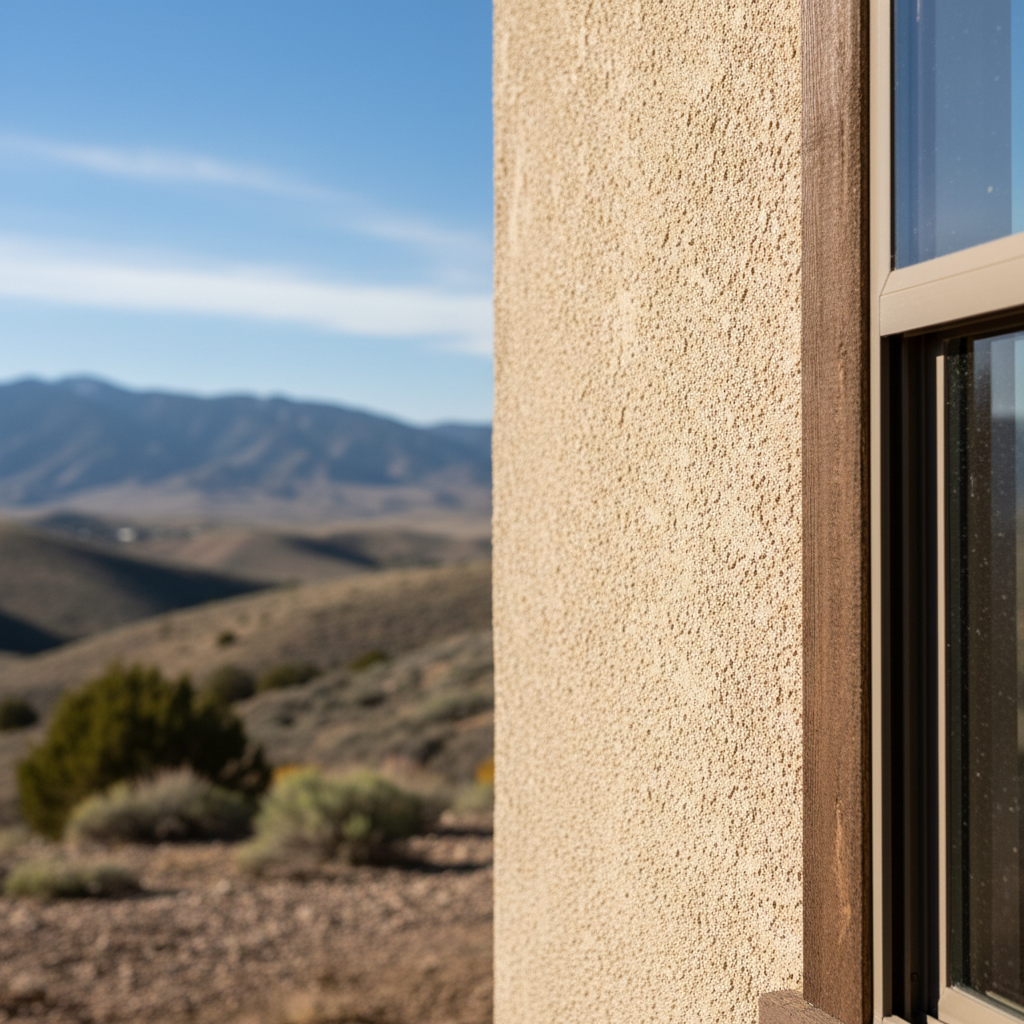
Why Even Bother with Stucco Inspection?
Look, I get it. You've got a million things to do around the house, and your stucco is probably the last thing on your mind. But ignoring it? That's just asking for bigger, more expensive headaches later on. Stucco is tough, sure, but it's not indestructible, especially with our wild Utah weather. Those scorching summers and freezing winters really put it through its paces, don't they? Catching problems early can save you a ton of grief and, let's be honest, a lot of cash.
You don't need to be a stucco guru to do a basic check. A lot of what I look for, you can spot too. It's really about knowing what signs to keep an eye out for and when to say, "Okay, this is definitely a job for someone else."
Before You Start Looking
First things first: grab a pen and paper, or even your phone, to jot down notes. A camera is even better. You'll want to document anything you find. This isn't just for your own records; it's super helpful if you do end up calling someone like us at Infinite Stucco Solutions. We can get a real head start if you've already pointed out some areas that concern you.
You'll need a good pair of eyes, maybe a flashlight for those darker spots, and a ladder for higher areas you can safely reach. Please, don't go climbing on your roof unless you're truly comfortable and have the right safety gear. Your life is absolutely worth more than a cracked piece of stucco.
What to Look For: Your DIY Checklist
Let's break down what you can realistically check yourself.
- Cracks: Not all cracks are created equal, you know? Hairline cracks, often called craze cracks, are usually just on the surface and mostly cosmetic. They're pretty common. But bigger cracks—especially ones wider than a credit card, or those spiderwebbing out, or running horizontally or diagonally from windows and doors? Those are big red flags. They could mean structural movement or water is getting in.
- Stains and Discoloration: Dark streaks, particularly under windows, near the roofline, or around things like hose bibs or vents, almost always mean water is finding its way in. Green or black stains? That could be mold or mildew, which just love damp conditions. Rust stains are another sign of water, usually from metal flashing or fasteners.
- Bulges or Soft Spots: Gently press on the stucco in various places. Does it feel soft or spongy? Is it bulging out? This is a strong indicator that moisture is trapped behind the stucco, causing damage to the material underneath. This is a big deal.
- Missing or Damaged Flashing: Flashing is that thin metal or plastic stuff installed around windows, doors, and rooflines to direct water away. If it's bent, missing, or installed incorrectly, water will definitely find its way in. Check around your chimney, skylights, and where the stucco meets the roof.
- Separation: Look closely where the stucco meets other materials, like trim boards, windows, doors, or the foundation. Is there a gap there? Is the caulk cracked or missing? These gaps are prime entry points for water.
- Weep Screeds: This is a really important part at the bottom of your stucco wall, usually about 6-8 inches above the ground. It's designed to let water drain out from behind the stucco. Make sure it's not buried by landscaping or dirt. If it is, water can't escape, and it'll wick right up into your walls. I see this all the time in older homes around the Fort Street area where landscaping has just grown up over the years.
When to Call a Pro
Okay, you've done your walk-around. You've got your notes and pictures. So, when exactly do you pick up the phone?
If you find any of these:
- Cracks wider than a credit card or extensive spiderweb cracking.
- Any areas that feel soft or are bulging.
- Significant staining or discoloration, especially if it's spread out.
- You suspect mold or mildew is growing under the stucco.
- Flashing that's missing or clearly damaged.
- If you're buying or selling a home – a professional stucco inspection is absolutely essential for due diligence.
- You just don't feel comfortable trying to figure out the damage yourself.
That's when you call in a specialist. A professional stucco inspector or a qualified contractor like us has the right tools and expertise to go way beyond a simple visual check. We can use moisture meters, thermal imaging, and sometimes even do invasive testing to pinpoint exactly where the water is getting in and how much damage has actually been done. We'll give you a clear picture of what's going on and what your options are. It's what we do.
After the Inspection (DIY or Pro)
Whether you've done a basic check or had a pro out, don't just sit on the information. If you found minor issues you can fix yourself, like re-caulking a small gap, get to it. If you've got bigger problems, get estimates for repair. The sooner you address stucco issues, the less they'll cost you in the long run. Trust me on this one: procrastination is the most expensive tool in your shed when it comes to home maintenance.