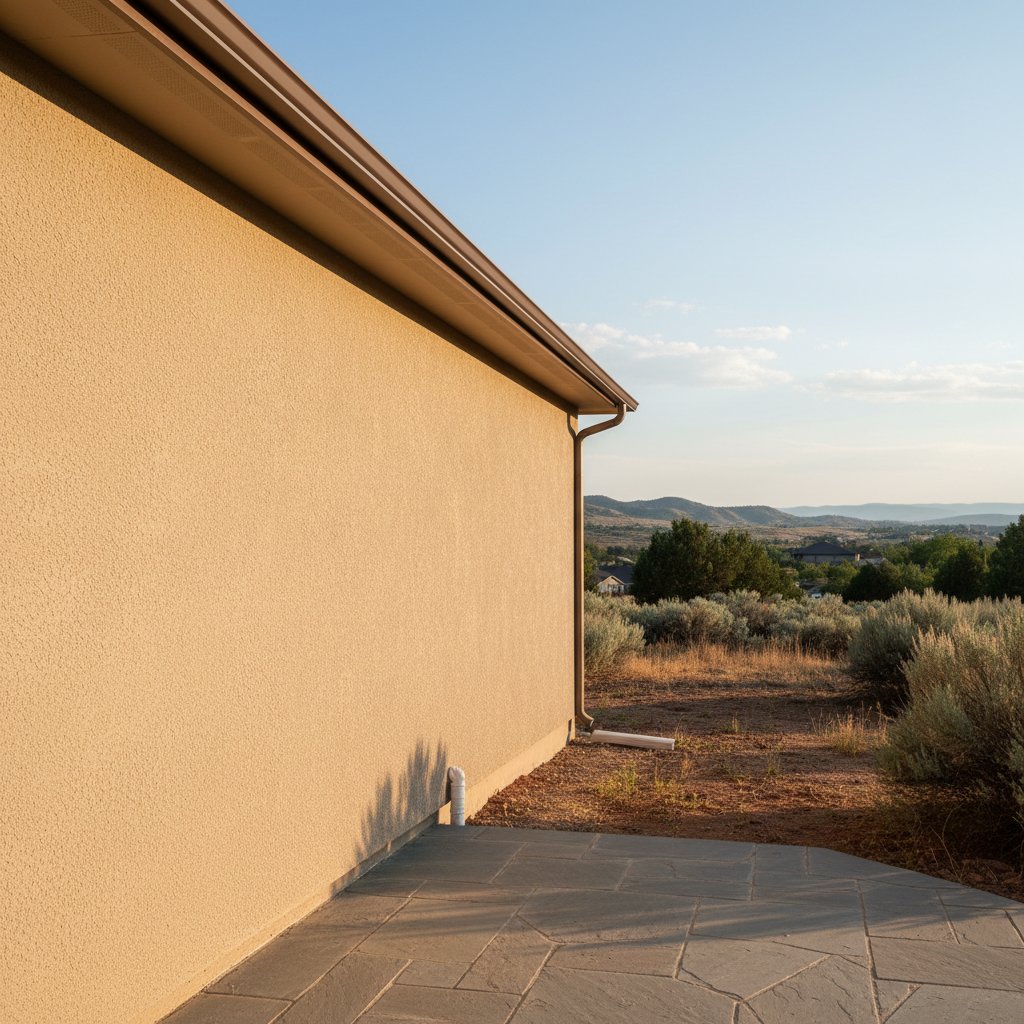
So, you've just invested in a stucco replacement for your home here in Draper. Maybe you had some old EIFS issues, or maybe your traditional hard coat was just showing its age. Whatever the reason, you've got fresh stucco now, and you want it to last. That's smart thinking! Because while stucco is incredibly durable, it's not exactly a "set-it-and-forget-it" material, especially with our unique climate.
Making Your New Stucco Last Longer
The best way to make sure your new stucco job goes the distance? Treat it right from day one. Good installation lays the foundation, sure, but ongoing care is what truly protects your investment. Think of it like a new car; you wouldn't just drive it without ever changing the oil, right? Your stucco needs some love too, believe me.
- Proper Curing: This part is mostly on the installer. But if you're curious, definitely ask about the curing process. For traditional stucco, it's all about letting it dry slowly and thoroughly. With synthetic stucco (EIFS), it's more about proper adhesion and sealing. We at Infinite Stucco Solutions always make sure this step is done right.
- Keep it Clean: Dirt, dust, and even algae can build up over time. Our dry summers and wet springs can really cake things on. A gentle wash once a year, or even every other year, can make a huge difference.
- Manage Water: This is probably the single most important thing, hands down. Stucco hates standing water. Make sure your gutters are clean and directing water away from your foundation. Check your sprinkler heads, too – are they constantly spraying the stucco? Adjust them! Water running down the walls from overflowing gutters or misdirected sprinklers is a recipe for disaster, even with the best stucco job.
- Sealants and Caulking: Pay close attention to where the stucco meets other materials – windows, doors, trim, the foundation. These are critical transition points. Good quality sealants and caulk should be applied and regularly inspected. They're your first line of defense against water getting in.
Simple Maintenance You Can Do Yourself
You don't need to be a stucco expert to keep an eye on things. A little proactive maintenance goes a long way. I tell all my Draper clients this:
First, walk around your house a couple of times a year. Maybe once in the spring after the snow melts, and again in the fall before winter really sets in. Look at your stucco with fresh eyes. What do you see?
- Cleaning: For general dirt and grime, a garden hose with a spray nozzle is usually enough. For tougher spots, a soft brush and a mild, non-abrasive detergent (like dish soap diluted in water) can work wonders. Always rinse thoroughly, from top to bottom. Avoid high-pressure washers unless you really know what you're doing, as they can damage the stucco surface and force water into places it shouldn't go.
- Check Drainage: Are your downspouts clear? Is water pooling anywhere near your foundation? Make sure the ground slopes away from your house. This is especially important in areas like SunCrest where you might have steeper grades.
- Inspect Caulking: Look at all the joints around windows, doors, and where the stucco meets the roofline or other building materials. If you see cracks, gaps, or if the caulk is pulling away, it's time to re-caulk. This is a relatively easy DIY job that can prevent major headaches. Just use a good quality exterior sealant.
- Trim Vegetation: Keep bushes, trees, and vines trimmed back from your stucco. They can hold moisture against the wall, scratch the surface, and even provide pathways for pests.
Warning Signs of Stucco Problems
Knowing what to look for can save you a lot of money down the road. Don't ignore these signs:
- Cracks: Hairline cracks are pretty common and usually not a huge deal, especially with traditional stucco. But if you see cracks that are wider than a credit card, or if they're running in a spiderweb pattern, or if they're around openings like windows and doors – that's a red flag.
- Discoloration or Staining: Dark streaks, especially under windows or near the foundation, often indicate water getting in or persistent moisture. Green or black patches could be mold or algae, which definitely means there's too much moisture.
- Bulging or Soft Spots: If you press on the stucco and it feels soft, spongy, or if you see areas that are bulging outwards, that's a serious sign of underlying moisture damage. This is often an issue with synthetic stucco systems (EIFS) where water gets trapped behind the finish.
- Efflorescence: This is a white, powdery substance that can appear on stucco. It's mineral salts left behind when water evaporates from the surface. Basically, it means water is getting into the stucco and then evaporating out, leaving the salts behind.
- Pest Infestation: Stucco can provide a home for insects if there are cracks or openings. If you notice an unusual amount of ants, termites, or other pests around your stucco, it might indicate a breach.
When to Call a Professional
Look, I'm a big believer in homeowners doing what they can. But there are definitely times when you need to bring in the pros. If you see any of those serious warning signs – wide cracks, bulging, persistent staining, or soft spots – don't mess around. Water damage behind stucco can be extensive and expensive to fix if left unchecked.
Also, if you're not comfortable getting on a ladder to inspect higher areas, or if you're unsure about the type of caulk to use or how to properly repair a crack, it's always better to call someone who knows what they're doing. A small repair done incorrectly can lead to bigger problems, right? We're always happy to come out and take a look, give you an honest assessment, and help you keep your stucco in top shape. Your home's exterior is its first line of defense, and keeping your stucco healthy protects everything inside too.